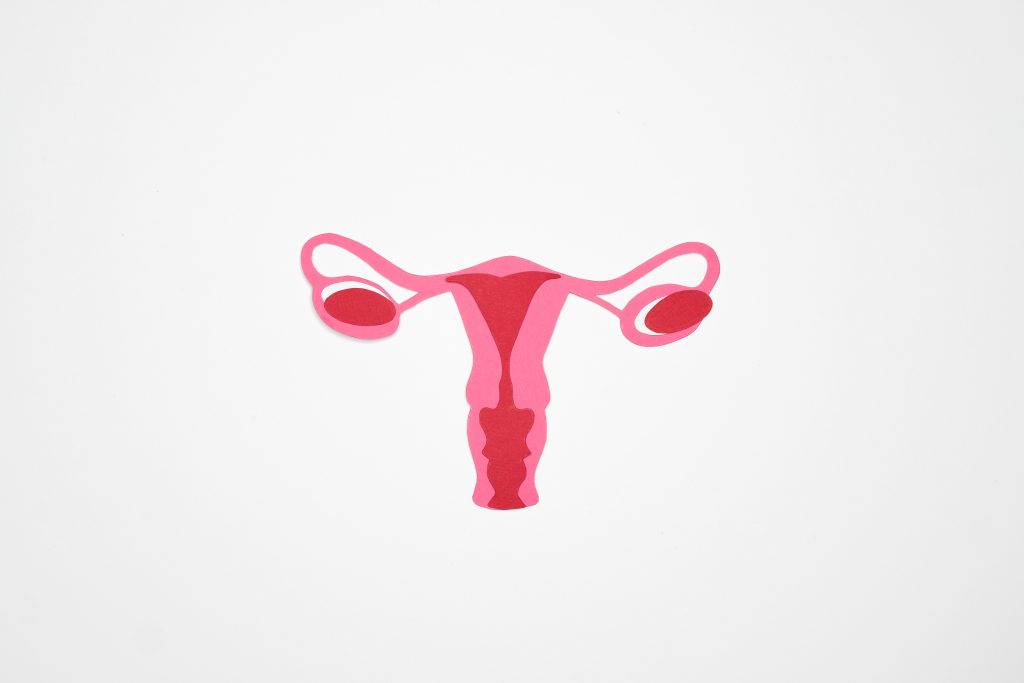
And what happens when there are supply-chain problems, staffing shortages and more? Companies jack up the prices. That’s capitalism — not just menstrual capitalism. Of course, what makes the shortage of menstrual products especially salient is that alternative products (like menstrual cups or period underwear) can be expensive, impractical, or unusable by some people. Check out Time Magazine’s coverage of “The Great Tampon Shortage of 2022” here.
Here is an excerpt:
“To put it bluntly, tampons are next to impossible to find,” says Michelle Wolfe, a radio host in Bozeman, Montana, who wrote a piece on her radio station’s website in March about not being able to find tampons in Montana. “I would say it’s been like this for a solid six months.” * * *
Increased demand, staffing shortages, raw material shortages—none of these factors are unique to tampons. Yet what makes the tampon shortage so persistent and problematic is that unlike most other items that the supply chain has made it hard to access, tampons are not something women can stop buying until supplies return. You may be annoyed that your couch delivery is delayed or that you still can’t find your favorite running shoes, but you can wait—or buy something else. Women get their period every month, and if they’ve used tampons for their entire adult lives, they need tampons.
The fact that women will keep trying to find tampons, even if the shelves are empty and prices are rising, has allowed companies to increase the prices of feminine care products. Procter & Gamble said in April 2021 that it would increase prices on baby care, feminine care, and adult incontinence products. Then, in April of this year, it said it would again raise prices on its feminine care products. P&G posted its biggest sales gain in decades in the most recent quarter, and the amount of money it made from sales in its feminine care division was up 10%.

Read the full article here.




 I read with interest this article on Neo.Life:
  We have seen so many screaming girls. Every time we see them, we’re like, They’re screaming. And that’s it. Yet the screaming fan doesn’t scream for nothing, and screaming isn’t all the fan is doing. It never has been.
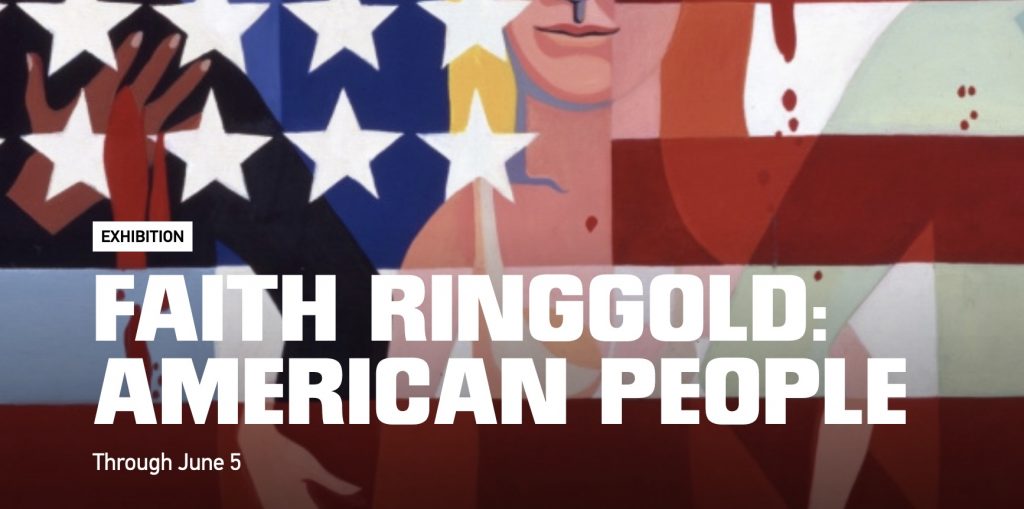 Her work particularly indicts the dehumanization of Black women in America, instead uplifting Black agency, Black beauty, Black motherhood, and Black re-imaginings of the Western art canon. Through her adamant art and activist practice, she began to topple the hierarchies of exclusionary art movements, particularly through her trademark quilting acting as a rich form of resistance to “conventional” craft and existing as a symbol of inherited inter-generational tradition, and therefore intergenerational storytelling and protest.
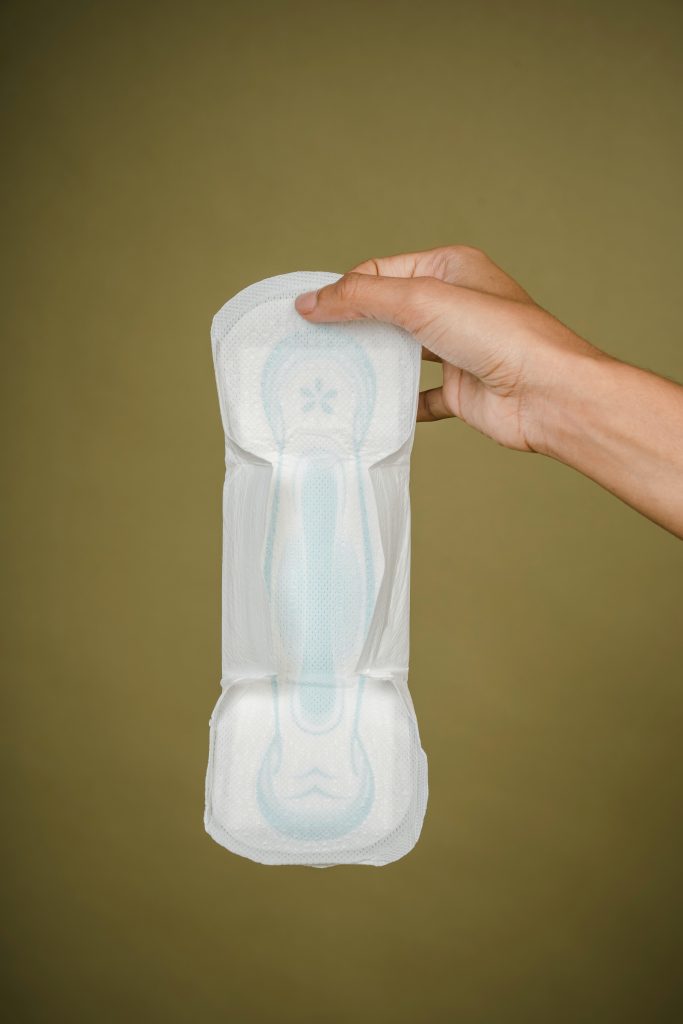
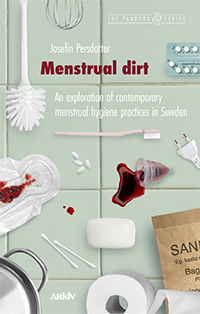 Why is menstruation so often considered a dirty phenomenon, in both material and symbolic terms? How do ideas and realities of menstrual pollution affect the lived experience of menstruation and everyday hygiene practices?
 The messaging that young people receive regarding menstruation is complex and contradictory. Persistent, self-perpetuating stigma and the barriers to menstrual equity associated with it has historically led to a loss of dignity and autonomy for girls, women, and all who menstruate. Lack of access to period products caused by period poverty or embarrassment and shame combine to deny opportunities to menstruators. Perhaps the most critical arena in which to make progress for menstrual equity is our schools, where negative stereotypes myths are propagated, and this manifests in absences and under-performance in class. The second most critical arena, I think, is the media young people view.
 This summer, the Feminist Law Professors blog is pleased to welcome our first-ever undergraduate student co-blogger as part of the
 This study is undertaken to examine the connections between child marriage and menstrual discrimination in policies and practices at national, regional and global levels. The four specific objectives are: i) to explore menstrual discrimination in countries that have high numbers of child marriages, ii) to examine the national policies and legal interventions against child marriage and menstrual discrimination, iii) to examine the networks advocating against child marriage with regards to menstrual discrimination, and iv) to assess the global policies and declarations against menstrual discrimination and child marriage. A qualitative approach with secondary resources reviews the issues in Bangladesh, India and Niger, countries which have the highest rate of child marriage. As well as the regional and global networks which are working to end child marriage, namely South Asia Initiative to End Violence, the African Union and Girls not Brides. Likewise, the study reviews the major international human rights instruments such as Human Rights Declaration 1948, Convention of Elimination of All Forms of Discrimination against Girls and Women 1979, Convention of Child Rights 1989 and Sustainable Developmental Goals 2016-2030. The worldwide scope and impact of discriminatory menstrual practices have been omitted from the policies, plans and activities of governments, international organizations and NGOs. Because menstrual discrimination has been used as justification to disempower women in the power structure and patriarchies, women have been left without a voice to negotiate their human rights, education, and socio-economic opportunities. Menstrual discrimination should be openly included in the discussion of the real drivers of early or child marriage.
 The FIU Law Review has published (
 On May 28, 2022, Menstrual Hygiene Day, the Open Library of Humanities will publish a new open-access volume,


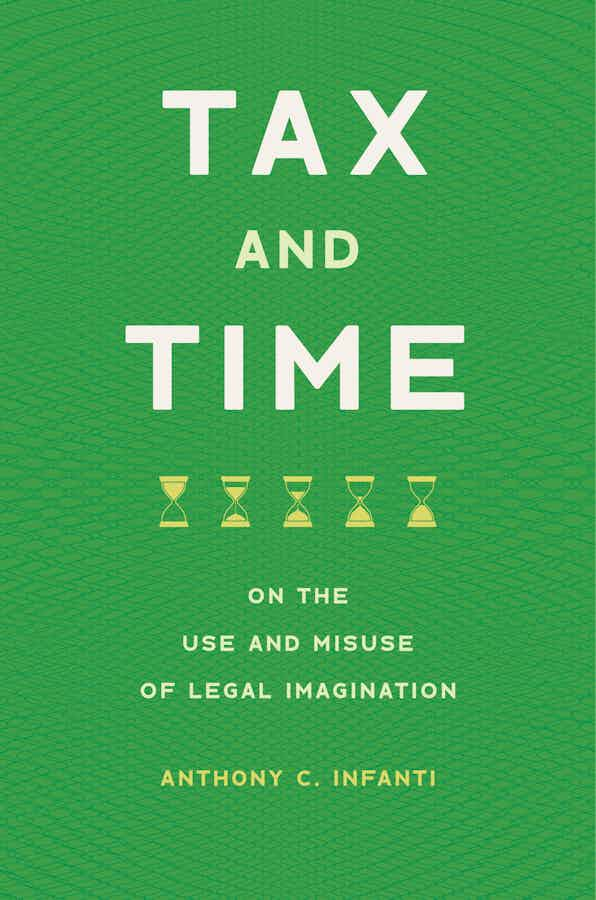
 Tony Infanti is the foremost American scholar of U.S. tax law and policy’s multiple intersections with LGBT taxpayers. Chapter 2 of the book, Time Travel Avoided (or, Justice Denied), explores how the IRS seemingly failed to apply its own rules of construction when it came to recognizing rights of same-sex couples in the pre-Windsor era, and the tax law’s ongoing and stubbornly persistent preferences for “married” taxpayers. The Chapter also looks at the ways the IRS struggled with issues of tax exemptions for racially segregated school in the wake of Brown v. Board of Education. At least in the early days, the IRS “chose not to apply substance-over-form principles in an apparent effort to disturb existing power structures in US society as little as possible.” (p. 88)
 Oklahoma City University School of Law will host the Third Biennial Conference on Critical Trusts and Estates April 8-9, 2022 in Oklahoma City. The conference provides a forum for a wide range of work dealing with connections between succession law, broadly defined, and systemic inequality. We invite submissions of proposals for both individual papers and panels from any of a wide range of perspectives – historical, empirical, doctrinal, textual, theoretical and practical. We especially welcome submissions from junior scholars and those who have not attended in the past. Please send 200-300 word proposals to Phyllis Burke, at


